Dead or Alive 6: A Mixed Bag of Brilliance and Blunders
In the ever-evolving landscape of competitive fighting games, where titans like *Tekken*, *Mortal Kombat*, and *Street Fighter* continually push boundaries with enhanced visuals and refined mechanics, the *Dead or Alive* series carves out its own unique niche. With a history stretching back to 1996 and encompassing six main entries alongside numerous spin-offs, including the infamous *Dead or Alive Xtreme Beach Volleyball*, the franchise has cultivated a distinct identity. While many entries in the genre strive for constant improvement in graphics and controls, *Dead or Alive* has followed a similar trajectory, albeit with certain design aspects that have consistently sparked debate among its fanbase and critics alike.
*Dead or Alive 6*, the latest mainline installment, attempts to build upon its legacy by delivering a truly dazzling visual experience and an engaging combat system. However, as we delve deeper, it becomes clear that while the game excels in these critical areas, it stumbles significantly when it comes to narrative depth and audio presentation. This article will explore the highs and lows of *Dead or Alive 6*, offering insights into its standout features and the areas where it regrettably falls short.
The Visual Spectacle: Graphics & Character Design in Dead or Alive 6
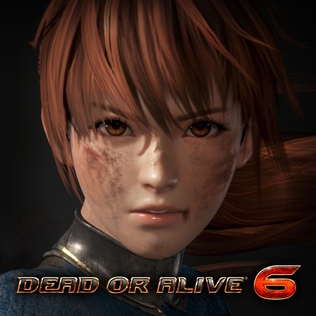
From the moment you launch *Dead or Alive 6*, its graphical prowess is immediately apparent. Team Ninja, known for their meticulous attention to visual detail, has delivered a truly stunning fighting game. The developers aimed for more realistic graphics, and this commitment shines through in the enhanced character models, environmental textures, and dynamic visual effects. Each fighter boasts intricate designs, with clothing, hair, and skin reacting realistically to movement and combat. The increased fidelity in character models also translates to more nuanced facial expressions, adding a layer of emotional depth to the fighters that was less prominent in previous iterations.
The stages themselves are a significant highlight, transforming from static backdrops into vibrant, multi-level arenas that contribute actively to the thrilling experience. These environments are packed with enhanced visuals, featuring dynamic elements and interactive hazards that can dramatically alter the flow of a match. Imagine slamming an opponent through a glass pane into a new section of the stage, or strategically using environmental traps to gain an advantage. This level of environmental interaction not only looks spectacular but also adds a tactical layer to the combat. The overall visual presentation of *Dead or Alive 6* sets a high bar, successfully creating a world that feels alive and incredibly detailed, making every punch, kick, and special move visually impactful.
Master the Fight: Combat System & Gameplay Mechanics
Beyond its impressive visuals, the combat system in *Dead or Alive 6* is arguably its strongest suit, offering a fast-paced, fluid, and deeply satisfying experience. The series has always been celebrated for its "triangle system" of Strikes, Holds, and Throws, each countering the other, and DOA6 refines this core mechanic to near perfection. The controls feel incredibly tight and responsive, allowing for precise execution of combos and defensive maneuvers. Each character on the updated roster feels distinctly different, with unique move sets, playstyles, and special abilities, encouraging players to experiment and find a fighter that truly resonates with their preferred approach.
The developers have also introduced new combat mechanics and refinements that enhance the overall gameplay. The addition of the "Break Blow," a powerful cinematic attack that consumes a portion of the Break Gauge, and the "Break Hold," a highly effective counter that can turn the tide of a match, inject new strategic possibilities into every encounter. These updated combat systems make for a fresh and exhilarating challenge, whether you're a seasoned veteran of the *Dead or Alive* series or a newcomer. The fast-paced nature of the gameplay, combined with the accessible yet deep mechanics, makes *Dead or Alive 6* a joy to play, offering layers of strategy for those who seek to master its intricacies. While the franchise might not always be celebrated for its competitive nature in the same vein as some other fighting games, the refined mechanics and distinct character designs in DOA6 certainly lay a strong foundation for serious competitive play.
For a deeper dive into the technical aspects of the game's visuals and combat, you might find our
Dead or Alive 6 Review: Dive into Enhanced Visuals & Fast-Paced Combat particularly insightful.
Practical Tips for New and Returning Dead or Alive 6 Players
- Master the Triangle System: Understand that Strikes beat Throws, Throws beat Holds, and Holds beat Strikes. This fundamental rock-paper-scissors dynamic is key to success.
- Utilize Training Mode: Spend time in the robust training mode to learn character-specific combos, practice Break Blows and Break Holds, and understand frame data.
- Experiment with the Roster: Don't stick to just one character. Each fighter offers a unique playstyle; try several to find one that clicks with you.
- Exploit Multi-Level Stages: Pay attention to the environment. Using stage hazards and transitions can create powerful openings or extend combos for massive damage.
- Learn to Counter: Defensive play, especially holds, can be incredibly rewarding. Practice timing your holds against common attacks to turn the tables on aggressive opponents.
Where the Fails Begin: Story, Audio & Design Choices
While *Dead or Alive 6* delivers a strong punch in terms of gameplay and graphics, its narrative and audio presentation are, unfortunately, its weakest links. The storytelling segments are often criticized for being disjointed and poorly executed, detracting from the overall experience. The story aims to pick up where *Dead or Alive 5* left off, attempting to weave two separate narratives: the ongoing conflict between Ninja and DOATEC versus M.I.S.T., led by Donovan, and the events unfolding during the 6th Dead or Alive tournament. Additionally, new story episodes are introduced to reintroduce returning characters, but these segments often feel tacked on and fail to integrate seamlessly into the overarching plot. The narrative progression can be difficult to follow, suffering from pacing issues and a general lack of coherent flow, making it hard to invest in the characters' plights or the world's conflicts.
Compounding the narrative issues is the game's significantly flawed audio mixing and editing during these story segments. While the audio during actual gameplay is generally acceptable, it takes a sharp dive in quality during cutscenes and dialogue sequences. Common complaints include:
- Lip-Sync Issues: Voices frequently do not match up with the characters' lip movements, creating a distracting and unprofessional feel.
- Delayed Sound Effects: Noises and impact sounds often occur noticeably after the corresponding visual action, breaking immersion.
- Subpar Voice Acting & Recording: Dialogue can sound as though it was recorded in a rush, with inconsistent volume levels and a lack of emotional depth in the performances.
These audio problems give the impression of a rushed or neglected aspect of development, starkly contrasting the polish seen in the visuals and gameplay. It truly feels like a "they didn't even try" situation in some parts, undermining any potential emotional impact the story might have had.
Furthermore, Team Ninja's long-standing, often "questionable design" philosophy regarding character models, specifically the exaggerated "jiggle physics" the series is known for, persists in *Dead or Alive 6*. While the game attempts to balance this with enhanced gameplay and more realistic graphics, some critics and players feel that these design choices, for better or worse, continue to heavily influence the overall aesthetic and even overshadow other game design considerations. This aspect remains a divisive topic, with some considering it a signature of the series and others feeling it detracts from its legitimacy as a competitive fighting game. For a deeper dive into how Team Ninja approaches its narratives and character designs, our article
DOA6: Unpacking the Story & Team Ninja's Evolution in Fighting Games offers more context.
The Soundtrack: A Small Silver Lining
Amidst the criticisms of the story and audio mixing, one positive element worth noting is the game's soundtrack. While it may not be groundbreaking or particularly memorable on its own, it effectively complements the fast-paced action of the gameplay. The music blends well with the combat, providing an energetic backdrop that enhances the intensity of each match. Players may find themselves subtly bobbing their heads to the rhythm during intense exchanges, which is a testament to its functional effectiveness in supporting the overall fighting experience. It’s a pleasant, if not exceptional, component that manages to avoid the pitfalls of its spoken audio counterparts.
Conclusion
*Dead or Alive 6* stands as a compelling, albeit flawed, entry in the long-running fighting game franchise. It masterfully showcases Team Ninja's prowess in delivering breathtaking graphics and a deeply engaging combat system, making every match a visually stunning and mechanically satisfying experience. The vibrant stages, enhanced character models, and fluid gameplay mechanics are undoubtedly its greatest strengths, offering plenty of value for fighting game enthusiasts.
However, the game's ambitious visuals and tight controls are unfortunately tethered to a narrative that struggles with coherence and audio production that feels glaringly unpolished. These shortcomings prevent *Dead or Alive 6* from achieving true greatness, leaving players with a sense of what could have been. Despite its narrative and audio missteps, the core gameplay loop is undeniably fun and addictive. Ultimately, for those who prioritize crisp visuals and a robust fighting engine above all else, *Dead or Alive 6* remains a worthwhile addition to their collection, offering countless hours of thrilling, high-octane combat.